
Solar Panels Price in Pakistan: Maintenance & Battery Life
When people ask about the solar panels price in Pakistan, they usually focus on the upfront sticker cost and forget the number that really decides value: the cost of ownership over ten years. A cheap panel that degrades fast, or a battery that dies in three years, will cost you far more than a slightly pricier system built to last. This 2026 guide takes a maintenance-first angle, showing how proper care and smart battery choices protect the money you invest.
The truth field technicians know is simple: solar hardware rarely fails from a single dramatic event. It fails slowly, through dust accumulation, corrosion, poor ventilation, and abused batteries. Understanding these failure modes is the key to squeezing 25 years out of your panels and a decade out of your storage. Before you compare quotes and solar panels price in Pakistan, learn what actually drives long-term performance.
Understanding the Real Cost Behind the Solar Panels Price
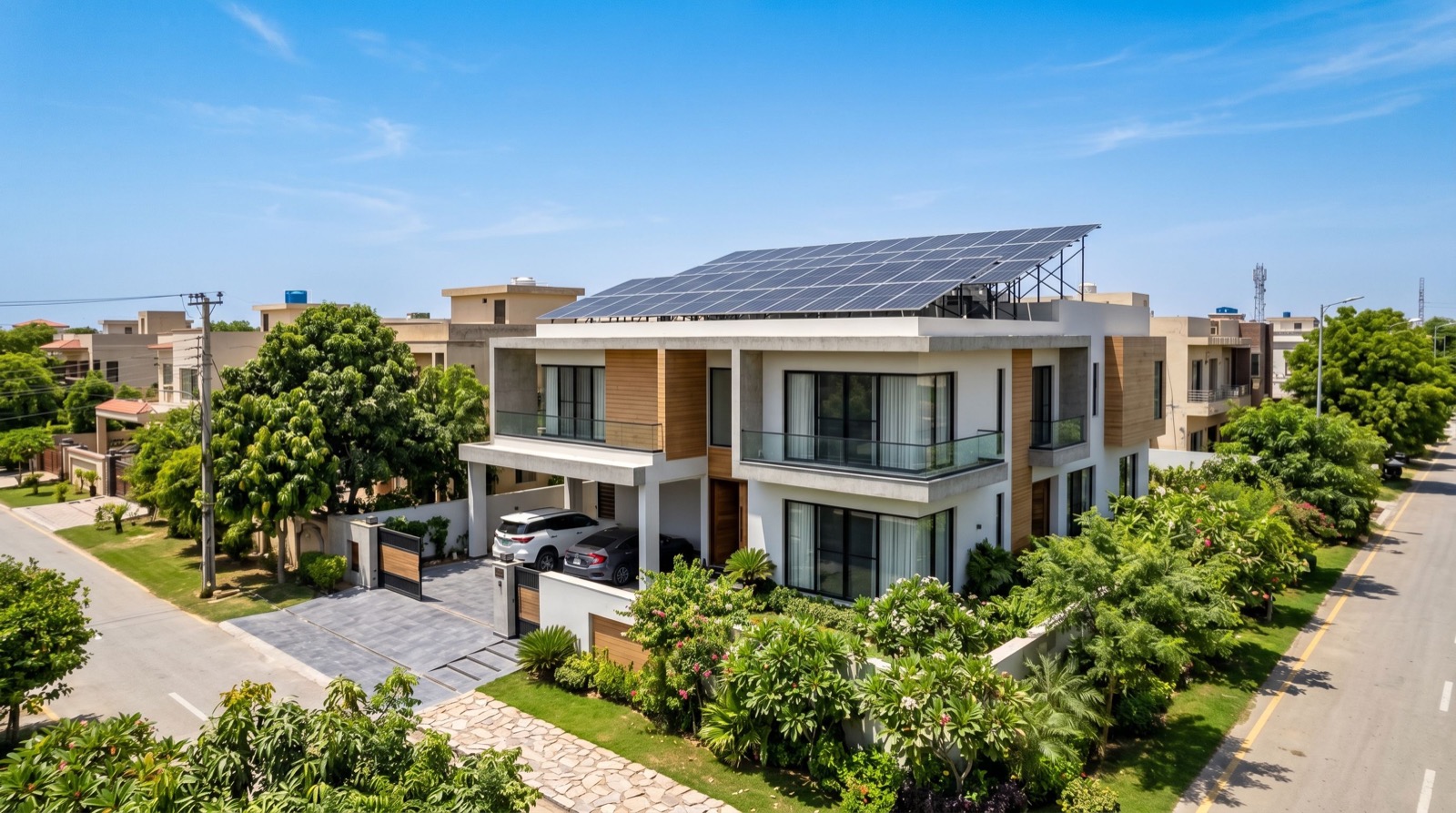
The advertised price of a solar system covers panels, inverter, mounting, and often a battery. But the lifetime cost includes cleaning, occasional part replacement, and battery renewal. A well-maintained system holds its output; a neglected one loses efficiency every year.
Modern monocrystalline panels carry a degradation rate of about 0.5 percent per year, meaning a good panel still produces around 87 percent of its rated power after 25 years. That warranty-backed longevity is why quality matters more than shaving a few thousand rupees at purchase.
- Panels: the longest-lived component, often warrantied 25 years.
- Inverter: typically lasts 8 to 12 years and is the most likely mid-life replacement.
- Battery: the component whose care most affects total cost of ownership.
How Often Should You Clean Solar Panels in Pakistan?
Dust is the silent thief of solar output across Pakistan. In dusty regions and during dry spells, a heavy layer of grime can cut generation by 15 to 25 percent. The U.S. Department of Energy notes that keeping panels clean and unshaded is among the most effective ways to protect yield, a point reinforced in its solar maintenance guidance.
For most Pakistani homes, a practical cleaning rhythm looks like this:
- Rinse panels every two to four weeks during dry, dusty months.
- Do a thorough soft-brush wash before and after monsoon season.
- Clean early morning or evening to avoid thermal shock on hot glass.
- Use plain water and a soft microfiber tool, never abrasive materials or harsh detergents.
A field tip worth remembering: never spray cold water on panels baking in midday heat, because the sudden temperature swing can micro-crack cells. Patience with timing extends panel life at zero extra cost.
Battery Technology: Where Lifetime Value Is Won or Lost
The battery is the heart of any backup-capable system and the component that most people mistreat. Choosing the right chemistry is the biggest single lever on long-term value. Lead-acid remains cheap upfront but punishes deep discharges, while lithium iron phosphate rewards them.
The comparison below shows why so many 2026 installations have shifted to lithium despite a higher initial cost.
| Feature | Tubular Lead-Acid | Lithium (LiFePO4) |
|---|---|---|
| Cycle life | 1,200 to 1,500 | 6,000 or more |
| Usable depth of discharge | Around 50% | Up to 90% |
| Maintenance | Water top-ups needed | Virtually none |
| Efficiency | 75 to 80% | 95% or higher |
| Typical lifespan | 3 to 4 years | 8 to 12 years |
When you spread cost over cycles delivered, lithium often turns out cheaper per usable kilowatt-hour even though the initial lithium battery price in Pakistan looks higher on the receipt. That is the maintenance-first math that seasoned installers use to guide clients.
Simple Habits That Double Battery Life
Batteries reward good habits and punish bad ones. A few disciplined practices dramatically extend service life and protect your investment.
- Avoid draining lead-acid banks below 50 percent state of charge.
- Keep batteries in a cool, ventilated space, since heat accelerates aging.
- Check lead-acid electrolyte levels monthly and top up with distilled water only.
- Ensure your charge controller settings match the battery datasheet exactly.
- Never mix old and new cells or different chemistries in the same bank.
These habits cost nothing but attention, yet they routinely add years to a battery bank. When selecting an installer, choose quality service providers who explain maintenance clearly rather than hand over hardware and disappear.
Inverter Care and System Monitoring
The inverter converts DC to usable AC and works hardest of all components, so it needs breathing room. Keep the area around it dust-free and well-ventilated, because overheating shortens its life and can trip protective shutdowns during peak summer load.
Modern hybrid inverters ship with app-based monitoring that reports daily generation, battery state, and fault codes. Reviewing this dashboard weekly lets you catch a failing string or an aging battery long before it causes a blackout. Early detection is the cheapest repair strategy there is, turning a would-be emergency into a scheduled fix.
Frequently Asked Questions
Does cleaning really change the solar panels price value?
Yes. Regular cleaning can recover 15 to 25 percent of lost output in dusty conditions. Over a system’s life, that reclaimed energy represents a large share of the return you paid for, making cleaning one of the highest-value habits.
How long does a lithium battery last compared to lead-acid?
Lithium iron phosphate batteries typically last 8 to 12 years and deliver over 6,000 cycles, while tubular lead-acid usually lasts 3 to 4 years. When measured per usable kilowatt-hour delivered, lithium is often the more economical choice.
Can I maintain my solar system myself?
Basic tasks like panel rinsing, keeping the inverter ventilated, and checking battery water are safe for homeowners. Electrical work, wiring inspection, and inverter servicing should always be left to trained technicians for safety and warranty reasons.
Why do some cheap solar systems fail early?
Low-cost systems often use panels with higher degradation, undersized cabling, and lead-acid batteries that are abused by deep discharges. These weaknesses compound over time, leading to premature failure and higher lifetime cost despite the low sticker price.
Conclusion
The smartest way to judge the solar panels price in Pakistan is through the lens of maintenance and battery life, not the upfront figure alone. Clean your panels on a sensible schedule, choose lithium storage where budget allows, ventilate your inverter, and monitor performance weekly. Do these things and your 2026 investment will keep delivering clean, reliable power for decades, protecting both your wallet and your peace of mind.