Chilled Storage
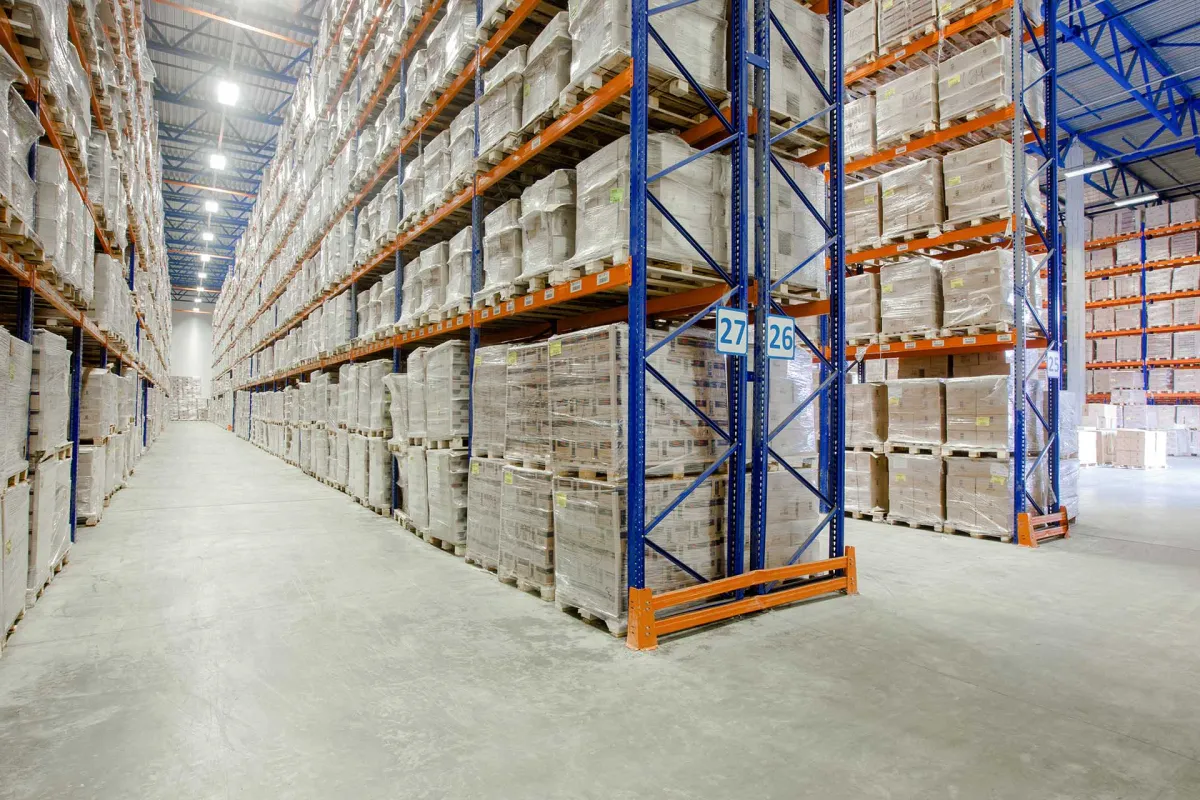
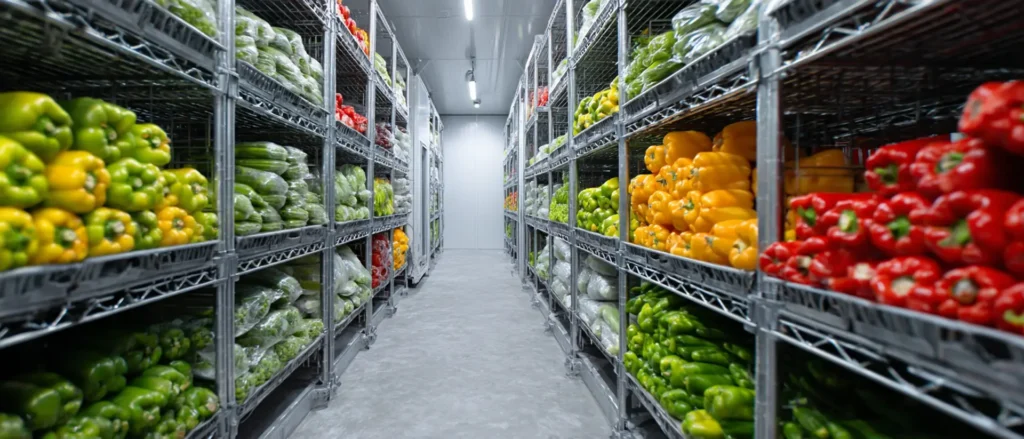
In the modern world of food distribution, pharmaceuticals, and perishable goods, maintaining the correct temperature is not a luxury—it is a necessity. Chilled Storage refers to temperature-controlled environments typically maintained between 0°C and 8°C, designed to slow bacterial growth, preserve freshness, and extend the shelf life of sensitive products. Unlike frozen storage, which keeps items at sub-zero temperatures, chilled storage keeps products cool without freezing them, preserving their natural texture, flavor, and nutritional value. From dairy products and fresh produce to meats, seafood, and temperature-sensitive medicines, chilled storage is the silent hero behind every supermarket shelf and hospital pharmacy. When businesses in Saudi Arabia need reliable, state-of-the-art chilled storage solutions, one name consistently rises to the top: Units. Visit our website units.sa to discover how we are revolutionizing temperature-controlled logistics across the Kingdom.
The importance of professional Chilled Storage cannot be overstated. Imagine a shipment of fresh strawberries arriving at a distributor. If those strawberries are exposed to temperatures above 8°C for even a few hours, they begin to lose firmness, develop mold, and become unsellable. Similarly, vaccines and insulin products lose their efficacy if the cold chain is broken. Proper chilled storage facilities maintain precise temperature control, humidity regulation, and air circulation to ensure that every product remains in optimal condition. Additionally, modern chilled storage warehouses incorporate advanced monitoring systems that track temperature and humidity in real time, sending alerts to managers if any parameter deviates from the set range. This level of control is what separates professional operators like Units from amateur仓储 providers.
Beyond temperature control, Chilled Storage facilities must also consider factors such as stock rotation, hygiene, and energy efficiency. The “First Expired, First Out” (FEFO) inventory method is critical in chilled environments because perishable goods have limited shelf lives. Proper warehouse design includes dedicated receiving areas, temperature-controlled loading docks, and rapid door systems that minimize cold air loss when trucks are loading or unloading. Hygiene is equally important. Chilled storage areas must be cleaned regularly to prevent mold, bacteria, and cross-contamination. Floors must be slip-resistant and able to withstand frequent washing. Lighting must be adequate but energy-efficient. Units designs all its chilled storage facilities with these factors in mind, ensuring that our clients receive not just cold air, but a complete solution for their perishable goods.
Energy efficiency is another major consideration for Chilled Storage operators. Cooling large warehouses consumes significant electricity, and in a country like Saudi Arabia with high ambient temperatures, the challenge is even greater. Units employs cutting-edge insulation materials, high-efficiency compressors, and intelligent energy management systems to reduce power consumption. We also incorporate solar panels at many of our facilities, aligning with Saudi Vision 2030’s sustainability goals. By choosing Units for your chilled storage needs, you are not only preserving your products but also reducing your carbon footprint. Visit units.sa to learn more about our green initiatives and how we help businesses operate more sustainably.
Chilled Storage in Jeddah
Jeddah, the commercial capital of Saudi Arabia’s western province, is a bustling hub for imports, exports, and regional distribution. As the gateway to the holy cities of Makkah and Madinah, Jeddah handles enormous volumes of food products, medical supplies, and consumer goods destined for markets across the Kingdom. This makes Chilled Storage in Jeddah an absolutely critical component of the national supply chain. The city’s King Abdulaziz Port is the busiest seaport in the Arabian Gulf region, receiving thousands of refrigerated containers (reefers) every month. Without adequate chilled storage facilities near the port, these containers would sit idle, demurrage costs would skyrocket, and perishable goods would spoil before reaching consumers. Units has established a major presence in Jeddah precisely to address this need.
What makes Chilled Storage in Jeddah particularly challenging is the climate. Jeddah is known for its high humidity, especially during summer months when temperatures regularly exceed 40°C. Humidity can cause condensation inside chilled storage rooms, leading to mold growth, cardboard softening, and product damage. Units has solved this problem through advanced humidity control systems that maintain optimal relative humidity levels regardless of outside conditions. Our Jeddah facilities utilize desiccant dehumidifiers and vapor-sealed construction to keep moisture where it belongs—outside. Additionally, our backup power systems ensure that even during the rare instances of grid fluctuation, your products remain perfectly chilled.
Another advantage of Chilled Storage in Jeddah through Units is our strategic location. Our Jeddah warehouses are situated near major transportation arteries, including the highway network connecting to Makkah, Madinah, and beyond. This reduces transit times for last-mile delivery, keeping products fresher for longer. We also offer transloading services, where goods can be moved directly from shipping containers into our chilled storage rooms without any temperature interruption. For importers receiving sea freight, this seamless transfer eliminates the risk of temperature abuse during customs clearance or documentation delays. Units also provides value-added services such as repackaging, labeling, and quality inspection, all within the chilled environment.
Businesses that have partnered with Units for Chilled Storage in Jeddah include dairy importers, fruit and vegetable distributors, pharmaceutical companies, and catering services. One client, a major European cheese importer, reported reducing product spoilage from 8% to under 1% after moving to Units’ facilities. Another client, a local juice manufacturer, was able to expand their distribution network across the western region thanks to our reliable chilled storage and order fulfillment capabilities. These success stories reflect Units’ commitment to excellence. We do not simply rent out cold space; we become a strategic partner in your supply chain. Visit units.sa to schedule a tour of our Jeddah chilled storage facilities.
Chilled Storage in Dammam
On the eastern coast of Saudi Arabia lies Dammam, the capital of the Eastern Province and the heart of the Kingdom’s industrial and energy sector. While Dammam is famous for oil and petrochemicals, it is also a rapidly growing hub for food processing, logistics, and trade. The city’s King Abdulaziz Seaport and its proximity to Bahrain, Qatar, and the UAE make it a strategic gateway for goods entering and leaving the Gulf region. As a result, demand for Chilled Storage in Dammam has grown exponentially in recent years. Units has responded by developing state-of-the-art chilled storage facilities in Dammam that serve the entire eastern region, from Jubail to Al-Ahsa to the border with Kuwait.
The unique challenge of Chilled Storage in Dammam is the combination of extreme summer heat and occasional dust storms. Dust can infiltrate cooling systems, reducing efficiency and potentially contaminating food products. Units’ Dammam facilities are equipped with high-efficiency particulate air (HEPA) filtration systems that remove dust, pollen, and airborne contaminants before air enters the chilled storage areas. Our cooling systems are designed with sand-resistant condensers and regular maintenance schedules that keep everything running smoothly even during peak summer. We also maintain buffer stocks of critical spare parts on-site, ensuring that any necessary repairs happen within hours, not days.
Another factor driving demand for Chilled Storage in Dammam is the growth of the food processing industry in the Eastern Province. Companies producing chilled ready meals, fresh pastries, and dairy products need nearby cold storage for raw materials and finished goods. Units offers both short-term and long-term storage contracts, with flexible terms that accommodate seasonal fluctuations. During Ramadan, for example, demand for chilled storage spikes as food manufacturers ramp up production for iftar and suhoor meals. Units has the capacity and operational expertise to handle these surges without compromising service quality. Our Dammam team works closely with clients to forecast needs and allocate space accordingly.
Units has also invested heavily in cold chain transportation to complement our Chilled Storage in Dammam facilities. While storage is our core business, we understand that products need to move in and out efficiently. Our fleet of refrigerated trucks maintains consistent temperatures from our warehouse door to your customer’s loading dock. For clients who prefer to use their own transportation, we offer fast loading and unloading with dedicated dock doors and appointment scheduling that minimizes wait times. Our warehouse management system (WMS) provides real-time inventory visibility, so you always know exactly how much stock you have and where it is located. To experience the Units difference in Dammam, visit units.sa and request a consultation.
Conclusion
Chilled storage is far more than a cold room; it is the foundation upon which modern food distribution, pharmaceutical logistics, and perishable goods trading are built. Without reliable chilled storage, fresh products spoil, medicines lose potency, and businesses lose revenue. With professional chilled storage, supply chains become efficient, products remain pristine, and consumers receive the quality they expect. For businesses operating in Saudi Arabia, the choice of chilled storage partner is critical.
Units has established itself as the top company for Chilled Storage across the Kingdom. Our facilities in Chilled Storage in Jeddah serve the western region with humidity-controlled, strategically located warehouses near the port and highways. Our operations in Chilled Storage in Dammam serve the eastern region with dust-filtered, energy-efficient facilities that support the growing food processing industry. Across both locations, Units offers the same commitment to quality, transparency, and customer success. We do not just store your products; we protect your reputation.
Whether you are an importer receiving container loads of fresh fruit, a dairy producer needing raw material storage, or a pharmaceutical distributor requiring temperature-controlled space for life-saving medicines, Units has the solution. Our team is ready to discuss your specific needs, provide a competitive quote, and arrange a facility tour at your convenience. Visit units.sa today and take the first step toward chilled storage excellence. Your products deserve the best. Choose Units.
Frequently Asked Questions (FAQ)
1. What temperature range does your chilled storage maintain?
Units maintains chilled storage temperatures between 0°C and 8°C, adjustable based on your product requirements. We also offer specialized temperature zones for specific products such as bananas (13°C to 15°C) or certain pharmaceuticals (2°C to 6°C). Our facilities can accommodate multiple temperature zones under one roof.
2. Do you offer 24/7 access to my stored products?
Yes, Units provides 24/7 access to your chilled storage with advance notice and proper identification. Our facilities have security protocols that ensure only authorized personnel can enter. For emergency after-hours access, we have on-call staff available. Normal operating hours without additional fees cover standard business days.
3. How do you handle power outages or equipment failures?
Units has multiple layers of protection. All our chilled storage facilities have backup generators that automatically engage within seconds of a power failure. We also maintain redundant cooling systems, meaning if one compressor fails, others take over. Temperature sensors send real-time alerts to our team, and we have 24/7 maintenance staff on call. Your products are never left unprotected.
4. What documentation do I need to store goods at Units?
You will need standard commercial documentation including a valid commercial registration (CR), proof of product origin or import documents, and any applicable health or customs certificates for food or pharmaceutical products. Our team at units.sa will guide you through the documentation requirements specific to your product type and storage duration.
5. Can I visit the chilled storage facility before signing a contract?
Absolutely. Units encourages potential clients to tour our facilities in Jeddah or Dammam. You can see our temperature monitoring systems, hygiene protocols, and loading operations firsthand. To schedule a tour, simply visit units.sa and fill out the contact form, or call our customer service line. We would be happy to show you why Units is the top choice for chilled storage in Saudi Arabia.