
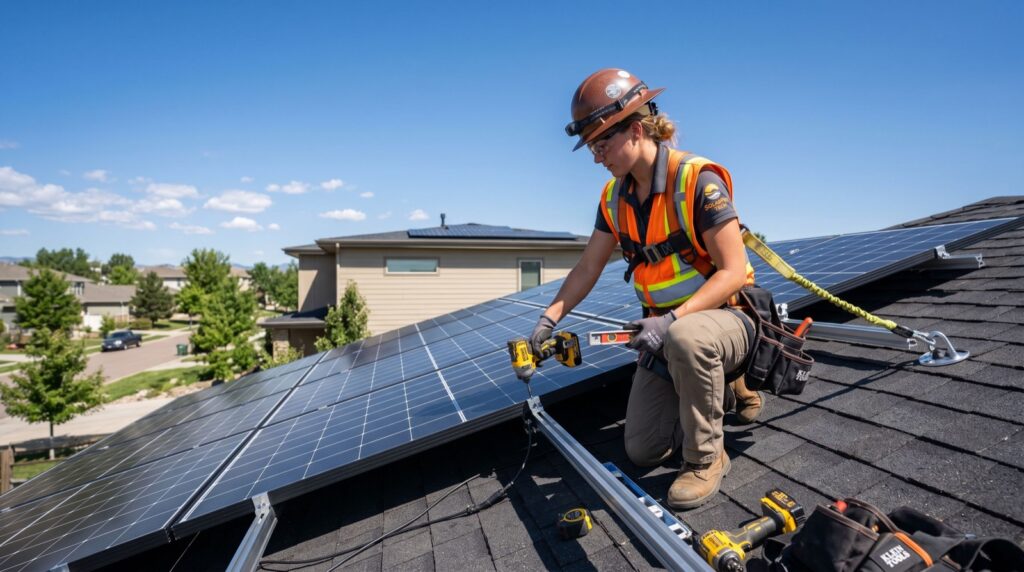
Pakistan’s solar shopping habits changed fast. Five years ago almost every panel and inverter was purchased across a shop counter; today a growing share of buyers browse, compare, and order from their phones. The convenience is real, but so is the risk, and anyone planning to buy solar products online in 2026 needs a defense system against counterfeit modules, relabeled batteries, and warranty cards printed in someone’s back room.
The good news: fraud follows patterns, and patterns can be checked. This guide gives you eight concrete verification steps, a genuine-versus-fake comparison table, and the questions that make dishonest sellers disappear from your inbox. Master these and online ordering becomes what it should be: the fastest way to well-priced, authentic equipment delivered to your door.
Why Online Solar Shopping Took Off in Pakistan
Three forces converged in 2026. Established dealers built proper webstores with live stock and delivery tracking, courier networks extended reliable service into smaller cities, and buyers grew tired of traveling to crowded markets only to hear “out of stock” for the model they researched. Digital storefronts also publish specifications openly, which lets careful shoppers compare datasheets line by line instead of trusting a salesman’s memory.
The catalog advantage is equally important. A physical shop displays maybe twenty products; a webstore lists hundreds, from 620 W N-type modules to lithium batteries, charge controllers, and complete kits. For buyers outside major cities, that selection was simply unreachable before.
How Can You Spot Fake Solar Gear Before Paying Online?
Counterfeiters target whatever sells fastest, and in 2026 that means big-brand panels and popular 6 kW hybrid machines. Use this table as your first filter.
| Check | Genuine Product | Suspect Product |
|---|---|---|
| Serial number | Verifies on manufacturer’s official portal | No match, or number repeats across units |
| Datasheet | Matches manufacturer PDF exactly | Edited wattage or vague specifications |
| Price | Within 10 percent of market average | 25 percent or more below every competitor |
| Certification | Cites IEC 61215 and IEC 61730 test standards | No standards mentioned anywhere |
| Seller identity | Registered business, physical address, landline | Social profile only, cash before dispatch |
The certification shortcut
Legitimate modules are tested against international design and safety standards published by the International Electrotechnical Commission. A seller who cannot state which IEC standards a panel passed has told you everything you need to know.
Eight Checks That Protect Every Online Order
- Confirm the seller’s physical existence. A webstore backed by a real showroom gives you a door to knock on.
- Cross-check specifications. Download the manufacturer’s datasheet yourself and match model numbers digit by digit.
- Benchmark the quote. Compare against a published solar inverter price in Pakistan listing so an outlier jumps out instantly.
- Demand serialized invoices. Warranty claims require the serial number tied to your name and date.
- Ask about the warranty pathway. Who receives the faulty unit, who pays freight, and what is the turnaround?
- Insist on unboxing rights. Payment terms should let you inspect for cracked glass or dented casings before the courier leaves.
- Verify payment channels. Bank transfer to a registered business account beats personal wallets every time.
- Screenshot everything. Product page, chat promises, and quoted delivery dates become your evidence if a dispute arises.
Which Products Are Safe to Order Remotely?
Not all solar equipment carries equal online risk. Sort your shopping list into two buckets.
- Low risk by courier: DC cables, MC4 connectors, breakers, mounting accessories, and charge controllers. Damage is rare and faults are obvious on arrival.
- Medium risk, order from reputable stores only: inverters and lithium batteries. Electronics survive shipping well when packed properly, but you must have a working warranty channel.
- Highest care needed: solar panels. Glass and cells hate rough freight, so choose sellers who ship on palletized frames or offer local delivery with inspection.
The same diligence you apply to any major household decision applies here. People research reputable service experts before committing to lessons or repairs, and an online solar seller deserves identical background checking before six figures leave your bank account.
Delivery Day: The Ten Minutes That Decide Everything
Most online solar disputes trace back to a rushed handover. Slow down when the courier arrives. Photograph the sealed cartons before opening, check each serial against the invoice, and power on an inverter briefly if terms allow. For panels, look across the glass at a low angle under daylight; ripples or shadow lines near cell edges deserve an immediate claim, not a hopeful shrug.
Report any discrepancy within the seller’s stated window, in writing, with photos attached. Reputable stores resolve documented claims quickly because their reputation depends on it. Silence past the deadline, however, converts even a genuine grievance into a lost cause.
Keep a simple order file
Create one folder on your phone for each purchase and drop everything into it: the invoice, serial photos, unboxing video, chat screenshots, and courier receipt. Two minutes of filing on delivery day turns a future warranty claim from an argument into a formality. Buyers who keep records get faster resolutions, and sellers quickly learn which customers cannot be brushed aside.
Frequently Asked Questions
Is it safe to buy solar products online in Pakistan?
Yes, when you order from an established dealer with a physical showroom, serialized invoicing, and a stated warranty procedure. The eight checks above filter out nearly all bad actors.
What payment method protects me best?
Bank transfer to a registered company account, with a partial advance and balance on inspection where possible. Avoid full prepayment to personal mobile wallets for large orders.
Can solar panels really be shipped without damage?
They can, if palletized upright and handled by freight services rather than parcel couriers. Ask how the seller packs panels before ordering, and inspect on arrival every single time.
Do online prices beat shop prices in 2026?
Often, because webstores carry lower overheads and publish competitive rates openly. Just compare landed cost including delivery, and never let a deep discount override your verification steps.
Conclusion
Online ordering has made quality solar equipment accessible to every district in Pakistan, and 2026’s mature webstores reward the careful shopper with better selection and sharper pricing. Run the eight checks, respect the delivery-day inspection, and keep your paperwork. When you are ready to buy solar products online with confidence, start with an established store that publishes real specifications and stands behind every serial number it ships.