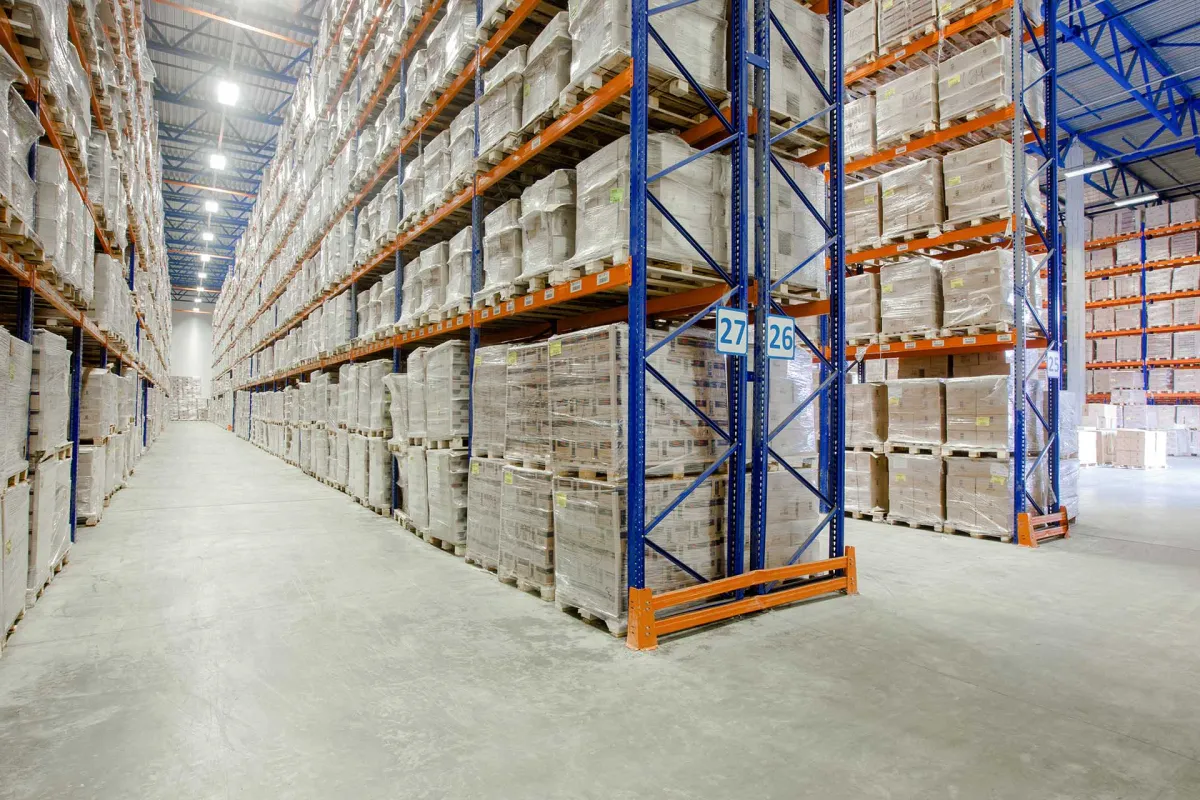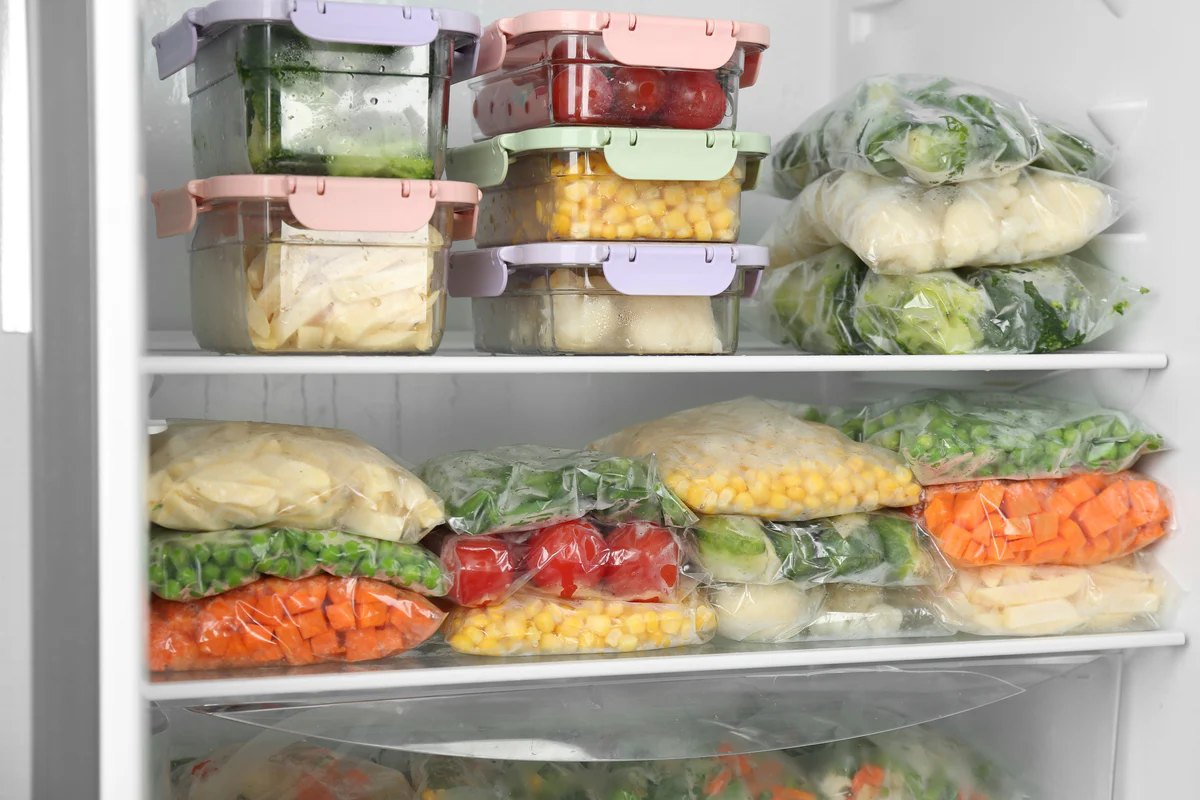
Saudi Arabia’s food industry, retail sector, and logistics landscape are expanding rapidly under Vision 2030. Maintaining the integrity of perishable goods has never been more important. Frozen Storage plays a vital role in preserving food safety, extending shelf life, and supporting efficient supply chains across the Kingdom. From imported meats and seafood to locally produced frozen foods and ready meals, professional frozen storage solutions are indispensable for manufacturers, importers, distributors, and retailers.
Units has positioned itself as a top company in Saudi Arabia’s warehousing and cold chain logistics sector. With state-of-the-art facilities in key locations, advanced temperature monitoring, and full regulatory compliance, Units (units.sa) delivers reliable Frozen Storage solutions that businesses can trust. Their modern infrastructure and customer-centric approach help clients maintain product quality while optimizing operational costs.
Frozen Storage
Frozen Storage involves maintaining products at sub-zero temperatures, typically between -18°C and -25°C or lower, to halt bacterial growth, slow down chemical reactions, and preserve the nutritional value, texture, and flavor of goods. This type of storage is critical for the cold chain — the uninterrupted temperature-controlled supply chain from production to consumption.
Common Products Requiring Frozen Storage:
- Meat, poultry, and seafood
- Frozen fruits, vegetables, and ready-to-eat meals
- Ice cream, desserts, and dairy products
- Baked goods and dough products
- Pharmaceuticals and certain medical supplies
- Seafood imports and specialty frozen foods
Key Advantages of Professional Frozen Storage:
- Prevents microbial growth and spoilage
- Maintains product quality over extended periods
- Reduces waste and financial losses
- Ensures compliance with SFDA (Saudi Food and Drug Authority) and international standards
- Supports seasonal demand management and bulk purchasing
- Enables long-distance distribution without quality compromise
Modern frozen storage facilities use advanced refrigeration technology, backup power systems, humidity control, and real-time temperature monitoring. Sophisticated Warehouse Management Systems (WMS) track inventory, FIFO (First In, First Out) rotation, and provide complete traceability. Energy-efficient designs and 24/7 monitoring minimize risks of temperature excursions that could damage valuable stock.
Units excels by offering deep-freeze warehousing with precisely calibrated environments. Their facilities feature robust insulation, reliable backup generators, and continuous data logging, giving clients peace of mind that their products remain safe and compliant at all times.
Frozen Storage in Dammam
Dammam, the commercial capital of the Eastern Province, serves as a major industrial and logistics hub. Its proximity to King Abdulaziz Port (Dammam Port) and Jubail Industrial City makes Frozen Storage in Dammam highly strategic for businesses handling large volumes of imported frozen goods, particularly poultry, seafood, and industrial food supplies.
The Eastern Province’s hot and humid coastal climate increases the risk of temperature fluctuations during handling. Professional frozen storage facilities here are essential to maintain the cold chain immediately upon arrival at the port. Industries such as oil & gas (for worker catering), hospitality, and manufacturing depend on reliable frozen storage for consistent supply.
Benefits of Frozen Storage in Dammam:
- Direct port access reduces transit time and potential breakage in the cold chain
- Supports just-in-time inventory for regional distribution
- Strong connectivity via highways to Riyadh, Al Khobar, and neighboring countries
- Ideal for bulk storage of construction camp supplies and institutional catering
Units provides high-capacity frozen storage solutions in Dammam tailored to local demands. Their facilities maintain consistent temperatures as low as -25°C with 24/7 monitoring. Clients benefit from flexible storage durations, value-added services like blast freezing, repackaging, and cross-docking. Units’ strategic location and efficient operations help businesses lower logistics costs while ensuring compliance with strict food safety regulations.
Frozen Storage in Jeddah
Jeddah, as Saudi Arabia’s premier Red Sea port city and commercial gateway, handles massive volumes of imported frozen products. Frozen Storage in Jeddah is crucial for importers, supermarkets, hotels, and food service companies serving the western region, including Makkah and Madinah.
Jeddah Islamic Port is one of the busiest in the region for reefer containers. Goods arriving here require immediate transfer to reliable frozen storage to prevent quality degradation in the Kingdom’s harsh climate. The city’s growing population, tourism, and hospitality sector further drive demand for high-quality frozen storage.
Strategic Advantages in Jeddah:
- Proximity to major port facilities for fast cargo handling
- Efficient distribution networks to holy cities and southern regions
- Support for retail chains and e-commerce grocery platforms
- Ability to manage seasonal spikes during Hajj and Umrah
Units operates advanced frozen storage facilities in Jeddah equipped with the latest technology. Their warehouses meet SFDA certification standards and feature multi-temperature zones when needed. Clients enjoy real-time inventory visibility, rapid order fulfillment, and integrated logistics services. Units helps businesses maintain the highest standards of hygiene and traceability, which is especially important for products destined for the hospitality and retail sectors.
Technology and Compliance in Modern Frozen Storage
Leading providers like Units invest heavily in technology. IoT sensors provide instant alerts for any temperature deviations. Automated racking systems maximize space while ensuring proper airflow. Energy management systems reduce operational costs and environmental impact — aligning with Saudi Arabia’s sustainability goals.
Compliance is non-negotiable. Facilities must adhere to HACCP, SFDA, and GSO standards. Regular audits, pest control programs, and staff training ensure the highest levels of safety. Units maintains these rigorous standards across all locations, giving clients confidence in their supply chain integrity.
Why Businesses Choose Units as Their Trusted Partner
As a top company in Saudi warehousing, Units (units.sa) differentiates itself through:
- Multiple strategic locations including Dammam and Jeddah
- Deep-freeze capabilities down to -25°C with precise control
- Advanced Warehouse Management System for full transparency
- Flexible contract terms for short and long-term needs
- Comprehensive value-added services (labeling, sorting, distribution)
- Dedicated customer support and technical expertise
- Strong focus on sustainability and operational excellence
Units supports Vision 2030 by providing world-class logistics infrastructure that strengthens food security and enables business growth across the Kingdom.
Best Practices for Effective Frozen Storage Management
Successful frozen storage requires more than just cold rooms. Businesses should implement proper receiving procedures, regular stock rotation, staff training on cold chain protocols, and contingency plans for power outages. Partnering with an experienced provider like Units ensures these best practices are built into every operation.
Conclusion
In Saudi Arabia’s fast-growing economy, reliable Frozen Storage is fundamental to food safety, supply chain efficiency, and business success. Whether you need solutions in the industrial hub of Dammam or the bustling port city of Jeddah, professional frozen warehousing protects your products and supports your growth objectives.
Units has proven itself as a top company by delivering modern, compliant, and customer-focused Frozen Storage in Dammam, Frozen Storage in Jeddah, and across the Kingdom. Their advanced facilities, technology-driven approach, and commitment to excellence make them the preferred partner for businesses that refuse to compromise on quality.
For secure, efficient, and professional frozen storage solutions that align with your business needs, trust Units (units.sa) to keep your products at peak quality from storage to delivery.
5 FAQs
1. What temperature range is maintained in professional Frozen Storage?
Professional frozen storage typically maintains temperatures between -18°C and -25°C to ensure product safety and quality preservation.
2. What types of products are suitable for Frozen Storage in Dammam?
Meat, poultry, seafood, frozen vegetables, ready meals, and industrial catering supplies are commonly stored in Dammam’s frozen facilities due to port and industrial demand.
3. Why is Frozen Storage in Jeddah critical for importers?
Jeddah’s port handles large volumes of reefer cargo. Immediate access to reliable frozen storage prevents temperature breaks and ensures fast distribution to markets across western Saudi Arabia.
4. Does Units offer flexible storage durations?
Yes. Units provides short-term and long-term frozen storage contracts with flexible options tailored to seasonal, project-based, or ongoing business requirements.
5. How does Units ensure compliance and product safety?
Units facilities are SFDA-certified, equipped with 24/7 temperature monitoring, backup power systems, and strict hygiene protocols to maintain full cold chain integrity.